


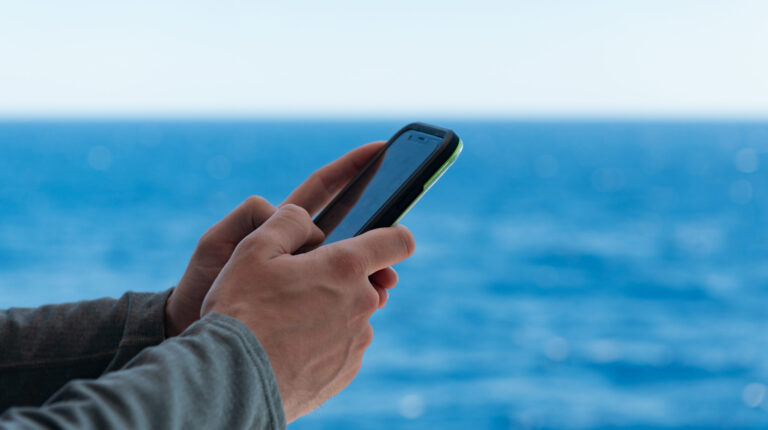
While the risks of transporting electric vehicles continue to provide a safety focus for regulators, personal electronic devices, chargers and even vapes, can ignite devastating fires in confined spaces onboard.
The maritime industry is largely aware of the dangers of lithium-ion battery fires in confined shipboard environments, and especially onboard car carriers and containerships transporting electric vehicles.
Less widely acknowledged is that fact that the hazards posed by the larger Li-ion batteries in electric cars, trucks and scooters also apply to the smaller ones powering everyday electronic gadgets. These include, but are not limited to, laptops, smartphones, GoPros, handheld UHF radios, flashlights and portable power banks – and even vapes, wireless headphones/earbuds and smartwatches. These compact devices are often overlooked in shipboard safety management system (SMS) and fire response plans.
Smaller devices, similar risks
The threat common to all Li-ion applications, regardless of battery size, is thermal runaway: a self-sustaining chain reaction triggered by overheating, physical damage or internal faults. Once initiated, thermal runaway is nearly impossible to stop. The resulting fires burn intensely hot, release toxic gases and can generate explosive forces. They can also be extremely difficult to suppress, with a persistent risk of reignition days or even weeks later.
And the dangers smaller devices pose in confined spaces – such as crew cabins, the bridge or storage lockers – are real. For example, a tanker crew member’s handheld radio battery overheated and ignited on the bridge, damaging navigation and communication equipment to the tune of US$3m. Blazes have erupted in crew cabins from unsupervised charging and poor storage of vapes and cellphones, and, in one case, a power bank exploded while charging in a locker, igniting nearby clothing and requiring onboard personnel to seek treatment for smoke inhalation.
First line of defence
So, what can be done to safeguard vessels from small Li-ion battery hazards? Some relevant industry guidelines are already in place. US Coast Guard (USCG) Safety Alert 14-25, for example, tackles the hazards linked to Li-ion batteries and stresses proper inspection regimes and crew training for all Li-ion systems carried on board, while IMCA Safety Flash 09/22 advises on the proper procurement, storage and charging procedures for consumer-grade Li-ion devices such as power banks. Additionally, MARPOL Annex V, which governs the management and logging of hazardous waste disposal, covers damaged or expired Li-ion batteries.
There are also many practical steps that shipowners and managers can take. The first line of defence is to source Li-ion batteries that are certified to UL, CE or IEC standards, which acknowledge compliance with international safety benchmarks, and to avoid cheaper, potentially counterfeit products. Only similarly approved chargers should be used. Compatibility between batteries, devices and chargers must be verified to avoid electrical mismatches that could cause overheating or failure. For shipboard use, all procurement should be documented in inventory logs to ensure traceability and accountability.
Storage considerations
Lithium-ion batteries must be stored in cool, dry, well-ventilated areas, and preferably inside fireproof containers, well away from flammable materials, drawers and metal objects. Crew should also avoid stacking batteries, which can cause short circuits and fires, and ensure that personal devices and power banks are stored separately from combustible items.
For long-term storage, keeping the batteries at 30-50% charge reduces chemical stress and extends battery life. All areas where batteries are stored or charged should be equipped with Class D fire extinguishers, fire blankets and appropriate personal protective equipment.
Personnel should never leave devices to charge unattended, especially overnight. Batteries should be checked regularly for swelling, leaks or corrosion, and, if either (or all three) of these conditions are noted, they should be isolated and reported immediately. A certified battery management system can provide an early alert in the event of a failure, and can help to document compliance, ensuring safety standards are met.
Finally, in accordance with MARPOL Annex V, all damaged or expired batteries should be logged in the vessel’s Garbage Record Book and handed over to certified recyclers, to ensure environmentally responsible disposal.
Crew awareness is key
An ongoing program of crew safety training is essential. All personnel must be familiar with standard operating procedures and the correct sequence of emergency response steps. To this end, personal electronic devices and power banks using Li-ion batteries should specifically be covered in pre-joining safety briefings, so that seafarers new to the ship fully grasp the associated risks and required procedures.
With smart handling, proper training and strict SMS protocol on procedures and compliance, the industry can prevent these silent sparks from becoming shipboard infernos.
Related, OPINION: Strategic agility is key to electric and hybrid marine development